

Category: Artificial Intelligence

  • The Impact of AI on SEO (So Far)

    The Impact of AI on SEO (So Far)

    Generative AI & SEO

    In the rapidly evolving digital landscape, Artificial Intelligence (AI) has emerged as a game-changer, particularly in the realm of Search Engine Optimization (SEO).

    As we reflect on the pivotal year of 2023, it is evident how large-language-models (LLMs) and generative AI tools have revolutionized SEO practices, akin to the transformative impact of internet and smartphones.

    In this post, we’ll delve into the impacts and implications of AI on SEO, highlighting the efficiency and value brought by AI tools in simplifying labor-intensive SEO tasks, while also examining the yet-to-be-realized potential of AI-generated search results in influencing website traffic.

    AI & SEO Tools
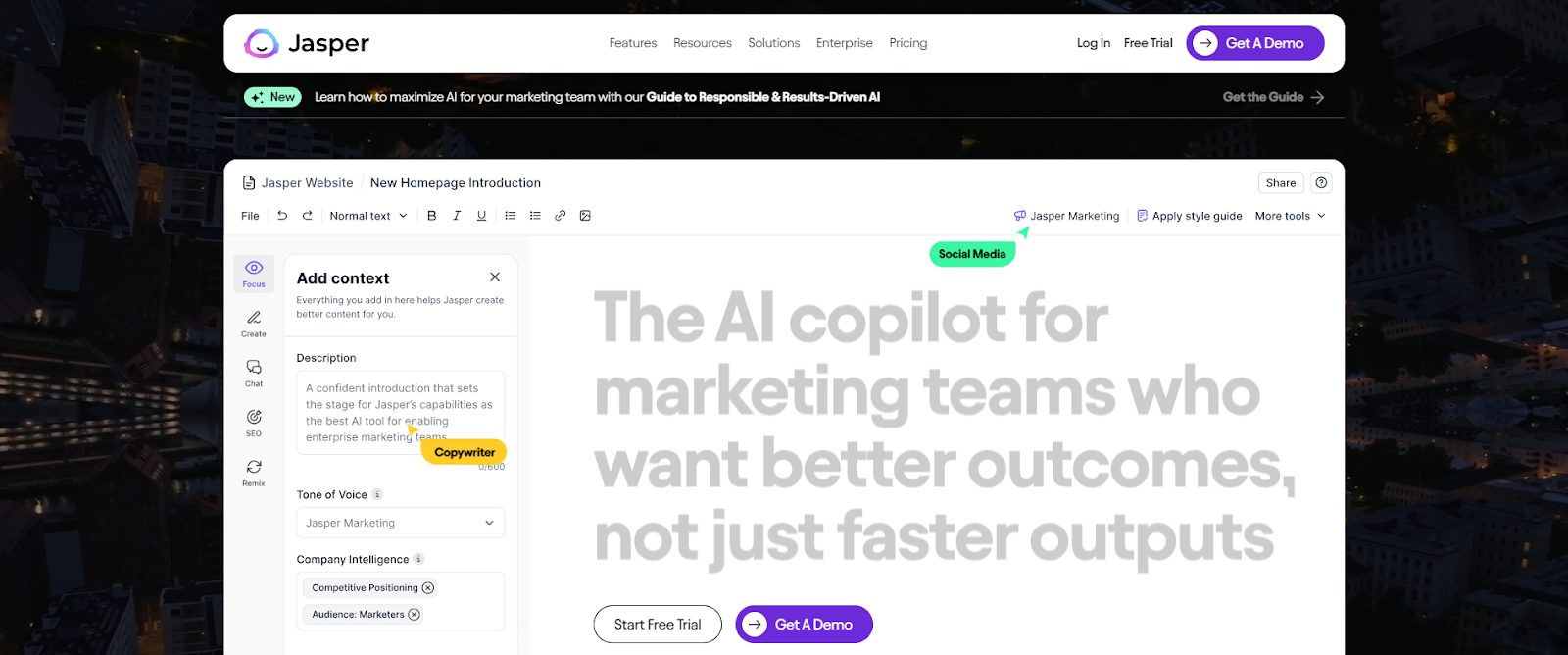
    When it comes to search engine optimization, the biggest impact AI had was in the available toolset. Copywriting programs, bulk on-page optimization, and rank tracking tools have streamlined the more tedious aspects of SEO.

    Content Generation

    After the release of ChatGPT’s API, content generation software quickly became ubiquitous throughout the SEO and content marketing space.

    Tools like Jasper and Copy.ai  can assist SEOs by suggesting blog topics, assist in writing the blogs posts themselves, as well as generate website copy like product descriptions.

    As you can imagine, these tools helped to cut down the time and effort for tasks that many SEOs may find tedious like researching new potential blog topics and content spinning.

    Data Analysis and Trend Identification

    AI tools have also revolutionized data analysis and trend identification in SEO. Tools such as Pro Rank Tracker and MarketMuse can automatically perform keyword research, identify content gaps on a website, and suggest topics for future posts.

    These AI-assisted programs allow for a new level of precision to keyword research and trend identification, enabling quicker response to search trends.

    SEOs also find value in the predictive insights that these tools provide, allowing content to be appropriately tailored for future search algorithm changes.

    When used properly, these advancements in natural language processing (NLP) and AI free up SEO from the more tedious elements of their job to focus on the strategic side for their clients.

    Impact on Search Engines
    Natural Language Processing & Search Engine Algorithms

    In the early days, search engines relied heavily on keywords to understand a given text and match search queries to the appropriate results.

    However, with the advancements in natural language processing (NLP) and AI, search engines can now analyze content more comprehensively and better understand context and intent, allowing for more accurate results.

    This has rendered old SEO tactics such as keywords stuffing obsolete. Over the years, content marketers have had to place a greater emphasis on the quality and relevance of their content.

    One example of these NLP algorithms in action is Google’s BERT, which uses AI to understand the meaning behind a search query and deliver more relevant results.

    With systems like BERT, search engines are able to understand more complex and conversional queries and factors in context from previous searches.

    This has led to the rise of voice search and the need for SEOs to optimize their content for natural language queries.

    In essence, AI has forced SEO professionals to shift their focus from optimizing for robots to creating valuable and user-friendly content.

    Generative Search Results

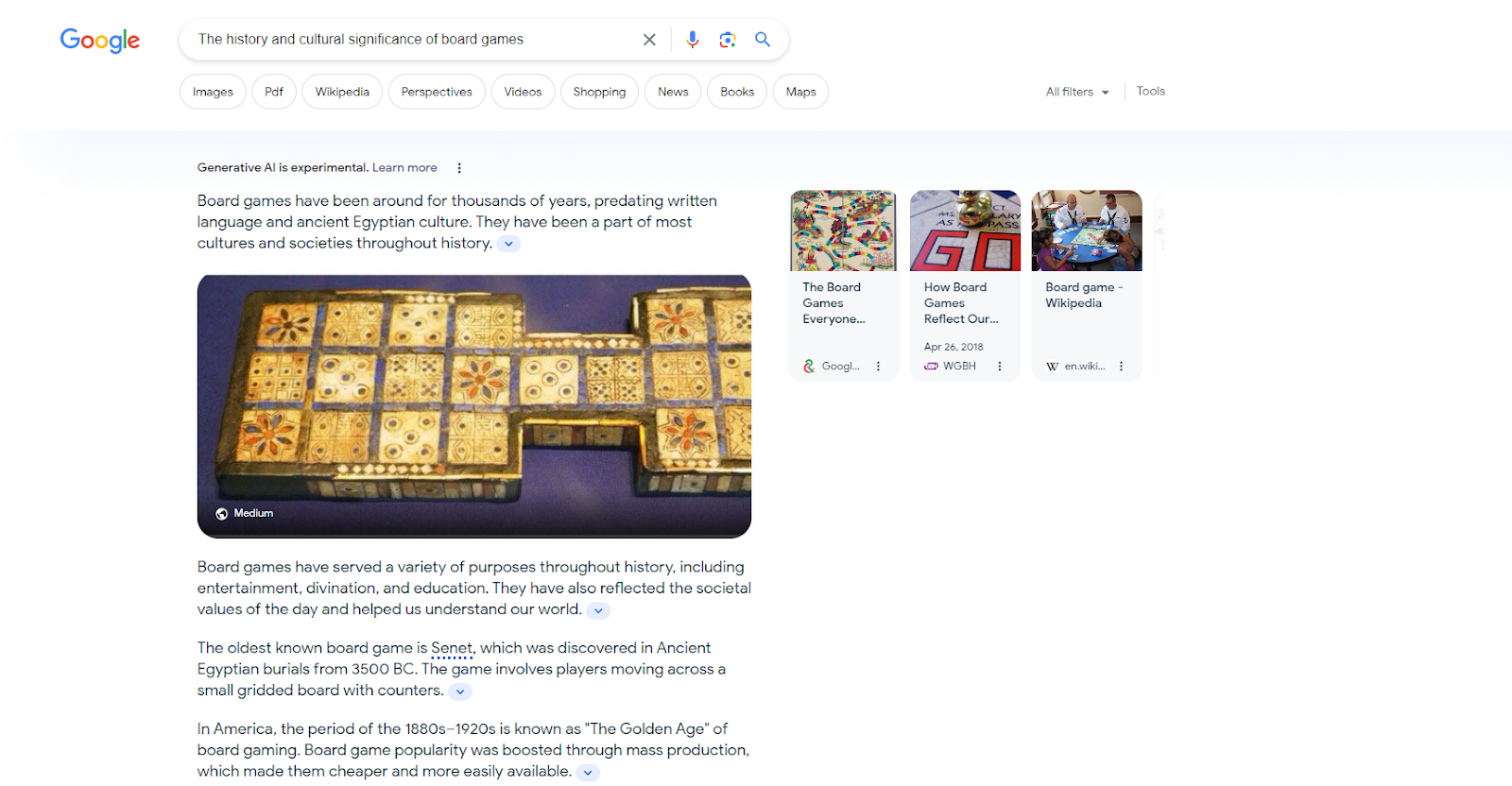
    While advancements in NLP has had a massive impact on how search engines’ process language over the past decade, much of these improvements have occurred behind the scenes. However, technologies unveiled in the past year and a half have the potential to advance the capability of search algorithms to a new stage in their evolution.

    We’ve seen these NLP and AI advancements go from improving search engine’s ability to understand and interpret text to actually generating text themselves. No longer simply selecting the best results for a particular query but understanding intent well enough to formulate a response itself.

    Programs such as Google’s Search Generative Experience and Bing’s Copilot use generative AI to create answers to search queries on the spot by cross referencing relevant organic results with their own internal knowledge graph.

    This technology has vast implications for SEO, as websites will need to compete not only for top placement in search results but also for generating the most relevant and accurate information.

    As of now, these AI-generated search results have yet to achieve widespread prevalence that significantly impacts website traffic. However, as this technology continues to advance,  it may dramatically alter the current SEO landscape.

    Wrapping Up

    In conclusion, AI has already had a significant impact on the world of SEO, primarily through automation and optimization of tasks. But as we’ve seen with NLP advancements and generative search results, the potential for AI to shape the future of SEO is immense.

    While it’s unclear exactly how these technologies will continue to evolve, it’s safe to say that AI will be a driving force in the world of SEO for years to come. As search algorithms continue to improve and become more sophisticated, so too must our strategies as SEO professionals.
  • Digital Marketers’ path forward with AI

    Digital Marketers’ path forward with AI

    The white-collar professionals are confronting what blue-collar professionals have been dealing with for half a decade: What do you do when technology threatens to displace your job?

    In digital marketing, AI is pushing into everything from media optimization(not actually a new thing), to content writing and even image generation.

    Having been in marketing for over 35 years, I am seeing things come full circle. Before digital, the greatest asset a marketing professional could bring was strategic direction. As digital unfolded and more knowledge was required to manage the actual campaigns, a greater reliance was placed on people who knew how to execute the programs. How do you set up, manage and optimize a Google Search or Bing Search campaign or Facebook campaign?

    In fact, with Google dominating paid search, and the ROAS on it being so good, companies could expend entire budgets on Google, and measure the direct returns. But Google is removing tools and visibility, pushing advertisers into more opaque campaigns.

    For some advertisers where something like e-commerce revenue is the sole goal, Google’s AI is great. But, business tends to be messy, with micro-conversions, changes in direction, or post-click actions as important as online metrics that are not easily incorporated into the value equation. We have to make judgment calls that the AI can’t see or quantify.

    As the “doing” with managing becomes less and less, digital marketers need to broaden their scope of channels and platforms to become more strategic in recommendations.

    As AI becomes more prevalent, marketers also need to understand AI. So, I decided to ask chatGPT what marketers need to do to keep up with AI. Here is the response…

    To evolve with AI in digital advertising, digital marketers can take the following steps:

    1. Educate Yourself: Start by gaining a solid understanding of AI and its applications in digital advertising. Familiarize yourself with concepts like machine learning, natural language processing, and data analysis. Stay updated with industry trends and advancements in AI technologies.
    2. Leverage Data: AI thrives on data, so focus on collecting and organizing relevant data sets. Ensure you have access to clean, accurate, and comprehensive data that can be used for AI-driven analyses and decision-making.
    3. Embrace Automation: AI can automate repetitive tasks, allowing marketers to focus on higher-value activities. Identify areas in your digital advertising workflow that can be automated using AI tools and platforms. This may include tasks like data analysis, campaign optimization, ad targeting, and content personalization.
    4. Utilize Predictive Analytics: AI-powered predictive analytics can help you anticipate customer behavior and trends. By analyzing historical data, AI algorithms can make accurate predictions about consumer preferences, purchase patterns, and engagement levels. Use these insights to refine your digital advertising strategies and tailor your campaigns for better results.
    5. Implement AI-driven Ad Targeting: AI can enhance targeting precision by analyzing user data and behavior patterns. Leverage AI-based tools and platforms that can segment your audience effectively and deliver personalized ad experiences. This will lead to higher engagement rates and improved ROI.
    6. Optimize Content with AI: AI can assist in creating and optimizing content. Use AI tools to generate engaging headlines, create personalized product recommendations, and test different variations of ad copy. AI-powered content optimization can help improve click-through rates and conversion rates.
    7. Monitor and Optimize Campaigns: AI algorithms can analyze vast amounts of data in real-time, enabling marketers to make data-driven decisions quickly. Leverage AI-powered analytics platforms to monitor your campaigns, identify patterns, and optimize performance in real-time. This will help you allocate your budget effectively and make timely adjustments for better campaign results.
    8. Stay Ethical and Transparent: As you incorporate AI into your digital advertising strategies, prioritize ethical considerations. Ensure compliance with data privacy regulations and communicate transparently with your audience about how their data is being used. Build trust and maintain transparency to foster long-term customer relationships.
    9. Continuous Learning: AI technology is evolving rapidly, so it’s essential to keep learning and experimenting with new AI tools and techniques. Stay updated with the latest developments in AI and explore how they can be applied to enhance your digital advertising efforts.

    By embracing AI in digital advertising, marketers can unlock new opportunities for improved targeting, personalization, and efficiency, ultimately driving better results and ROI.

    That’s how AI says to keep up with AI. Most sounds about right to me. Even if you don’t have access to all of the tools listed, jumping in where we can as soon as we can is important to the future of careers in digital marketing.