
A Partnership That Grows
A Pump Distributor’s Shift From Traditional Sales to eCommerce
Services:
SEO, PPC
Industry:
Industrial, B2B, B2C

+94%
TRAFFIC
+127%
REVENUE
The Client
This eCommerce client is a distributor of consumer and industrial pumps and accessories. A long-time client of ours, they came to us looking for a marketing team to help integrate their online store into their sales process. Over the years, we’ve helped them shift their primary sales channel from traditional sales to eCommerce.
The Challenge
The business was built on traditional sales, and the online store wasn’t yet a major revenue driver. Pump buyers search by manufacturer, application, and pump type, and the site wasn’t set up to capture all of them. They needed SEO and PPC strategies that could scale across a large, technical catalog and reach buyers at every stage of the purchase.
The Goal
Grow qualified traffic. Turn it into revenue. Build SEO and PPC channels that work together and move the online store from a side channel to the main event
STRATEGY
Phase One: Building the Foundation
SEO
We identified the most effective title and header tag structures for product page templates. Fixing the template meant every product page improved at once instead of one at a time. We implemented sitewide schema markup so search engines could clearly read product details and show richer results. We then created landing pages organized around pump manufacturers, their applications, and pump types. That way we were targeting every way users might search for pump products, whether they’re replacing a specific brand or shopping by job. Regular blog posts captured buyers still in research mode, and consistent link building and outreach built the authority to help it all rank.
PPC
Our PPC strategy ran the gamut, from Google Search and Google Shopping ads to remarketing display campaigns. Each one had a job:
Search captured high-intent buyers actively looking for a specific pump or part.
Shopping put product images and prices directly in the search results, so buyers could compare before they ever clicked.
Remarketing display brought back visitors who browsed but didn’t buy. That matters for a considered purchase like a pump, where buyers often check specs and compare options first.
RESULTS
Results
Over a Six Month Period
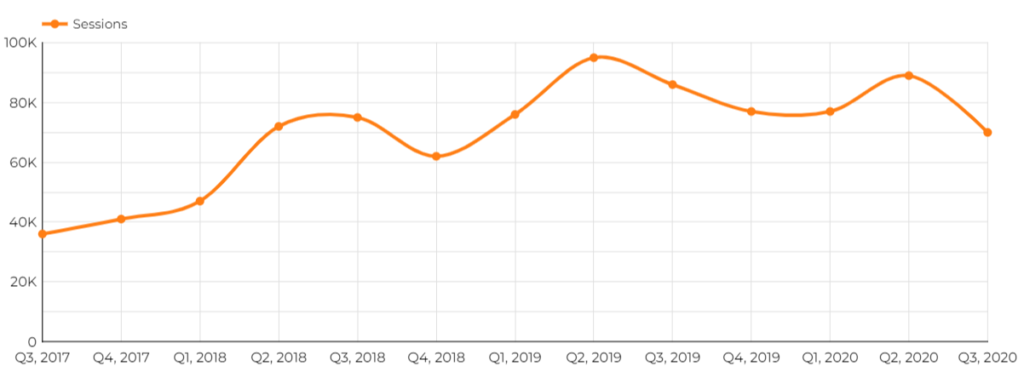
+94%
SESSIONS
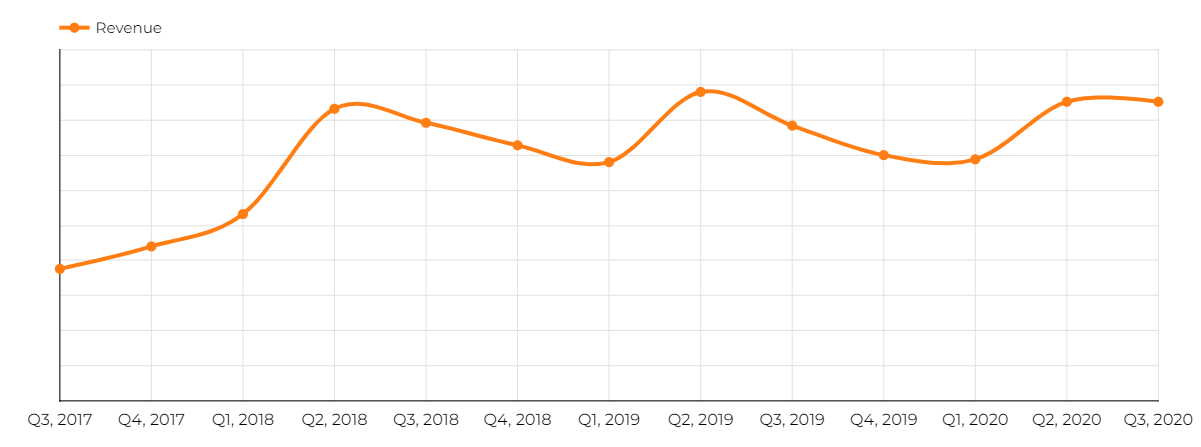
+127%
REVENUE
Over the Years:
When you’ve worked with a client this long, you see Google Ads change more than once, and a campaign structure has to keep up with the times. That’s why, as Google moved toward automation and Performance Max became its go-to campaign type for eCommerce, we moved the client’s shopping strategy into PMAX. Holding onto the old setup would have meant missing out on where Google was putting its reach and its machine learning.
The playbook changed, and so did our campaign structure. Instead of managing every channel by hand, our focus became giving PMAX the right signals and knowing when to push it. Staying with a client long-term means evolving with the platform, not clinging to what worked five years ago.
Growing a Steady Google Ads Account
The Challenge
Making big changes to an account and taking big swings can be great (and they make for an exciting story). Sometimes, though, the best strategy is to capitalize on what’s already working.
For this client, our PMAX Shopping campaign was a steady workhorse for years. It was always pulling in conversions and always beating its 4x target ROAS while spending its full budget. The opportunity was clear: put more budget behind it. Increasing budget always comes with an element of risk, though. Scale too fast and efficiency can slip.
The Goal
Grow revenue by scaling the account’s strongest performer without sacrificing efficiency.
STRATEGY
Phase Two: Growing a Steady Google Ads Account
Strategy
We recommended increasing the budget for the PMAX Shopping campaign. The campaign was running at a ROAS 50% higher than its target. That gap gave us the confidence there was room to grow spend, absorb any natural dip in efficiency, and still comfortably clear the client’s benchmark.
We scaled in two steps: a partial budget increase in month one to validate performance, followed by a full increase once the campaign proved it could handle it and still hit target ROAS. Smart bidding needs time to recalibrate after a budget change. Scaling in stages let us confirm the campaign was holding steady before committing the full increase.
RESULTS
Results
Over the Next 6 Months
We spotted a proven PMAX campaign with room to run and scaled it carefully. The result was 26% more spend turned into 24% more revenue, all while staying 50% above target ROAS.
Platforms change. Good strategy doesn’t. We built the foundation, adapted as Google evolved, and knew when the smartest move was simply putting more fuel behind what was already working.
+24%
REVENUE
50%
Above Target ROAS Maintained